When Can Children Eat Dates?
Dates can be introduced once a baby starts solid foods (MPASI) at 6 months, with one important condition: the texture must be adapted. Because dates are sticky and dense, many experts suggest serving them as a puree or smooth porridge mix, and some parents choose to wait until 8 months when the baby is more ready. Indonesia's Ministry of Health itself lists a series of child-specific date benefits in its education materials, signaling that this fruit is recognized as a nutritious first food.
How Dates Support Child Growth
- Energy and fiber: the natural sugars provide energy while the fiber aids digestion. About three dates contribute meaningful fiber toward a young child's daily needs — useful for preventing constipation and keeping stool from being too hard.
- Building minerals: dates supply small amounts of potassium, magnesium, iron, calcium and phosphorus that support bones, muscles and blood-cell formation.
- Immune support: antioxidants, folate and vitamins in dates also support a child's immune system as part of a varied diet.
- Added-sugar swap: as a natural sweetener, dates help cut table sugar in children's snacks. Remember, babies under 1 year must not be given honey or added sugar — date puree is a safer sweetening alternative.
Safety: Choking Hazard & Dental Health
Two things parents must watch:
- Choking: never give whole dates or large pieces to a baby. Always remove the pit, then puree or finely mince. Serve while the child sits upright and supervised, not lying down or playing.
- Dental health: dates are sticky and sweet, so they can cling to teeth. After your child eats dates, clean the teeth/gums with a soft cloth or child's toothbrush, and avoid letting dates linger, especially before sleep.
Allergy Signs to Watch
Date allergy is rare, but introduce gradually anyway. Give a small portion first, then watch for 1–2 days. Stop and consult a doctor if rash, swelling, repeated vomiting, or breathing trouble appears. Introducing one new food over several days makes it easier to identify the trigger.
Date Portions by Age
| Age | Form | Suggested portion |
|---|---|---|
| 6–8 months | Smooth puree / porridge mix | ±½–1 date as puree |
| 9–12 months | Thick puree / very finely minced | ±1 date |
| 1–3 years | Small pieces, supervised | 1–2 dates |
| School age | Whole, pitted | 2–3 dates |
Start with the smallest portion to monitor for allergy or digestive changes, then increase gradually as the child tolerates.
Three Date-Based First-Food Recipes
- Plain date puree: soak 2 pitted dates in warm water for 10 minutes, blend smooth, thin with breast milk/boiled water. A natural sweetener for porridge or other fruit mixes.
- Date-banana mash: blend 1 date with ½ ripe banana and a little breast milk — energy and potassium for babies 8 months and up.
- Date oats: cook fine oats and add date puree instead of sugar. A soft breakfast for toddlers.
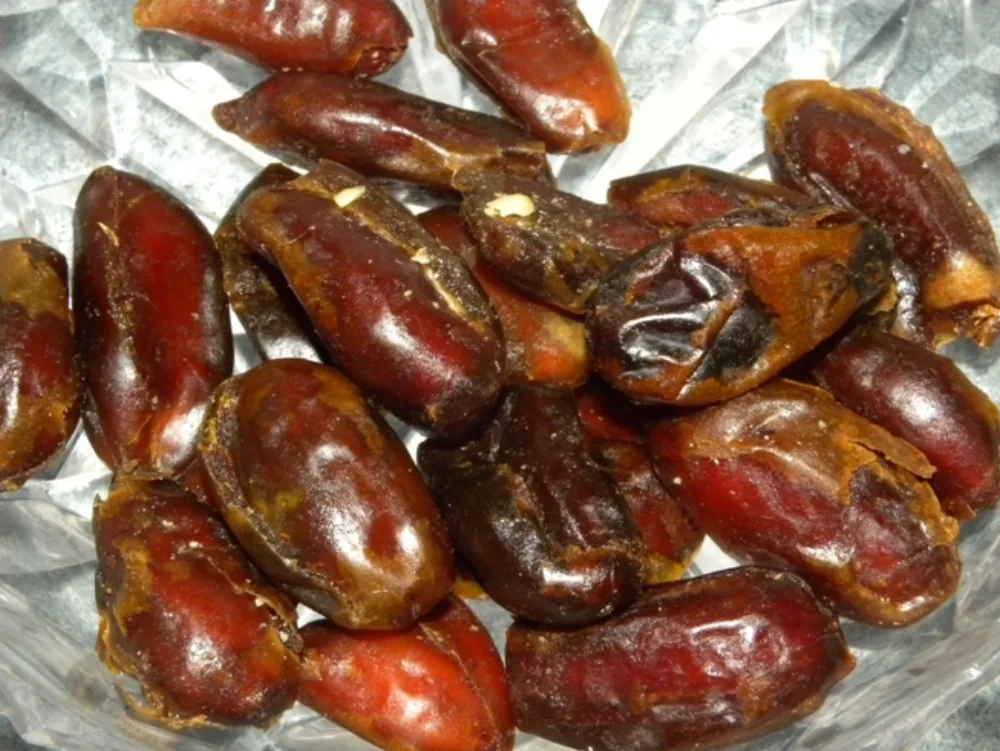
For recipes needing a very soft texture, varieties like Rotab Bam or Sukari dates are easier to blend than hard-dried dates. Always soak first if the dates feel firm so they mash more easily.
When to Hold Off
Delay or reduce dates if your child has diarrhea (since natural sugar can worsen it), has a special medical condition limiting sugar, or if a doctor advises so. For children prone to constipation, dates can actually help — as long as paired with enough fluids.
Notes for Parents
Dates are a complement, not a main food. Keep the first-foods menu varied and include animal protein sources, since Indonesian children are prone to iron and protein shortfalls. If your child has a history of allergies, severe constipation, or special medical conditions, talk to a pediatrician first. You can also compare nutrient profiles across varieties in our Dates Nutrition & Calories guide to pick the softest, most suitable option.
Date Snack Ideas for School-Age Children
For children who chew well, dates make a practical snack to replace candy and chocolate in the lunchbox. A few ideas:
- Stuffed dates: fill pitted dates with a little cheese or unsweetened peanut butter for added protein.
- Chocolate-date smoothie: blend dates, banana, milk, and a little unsweetened cocoa — naturally sweet, no added sugar.
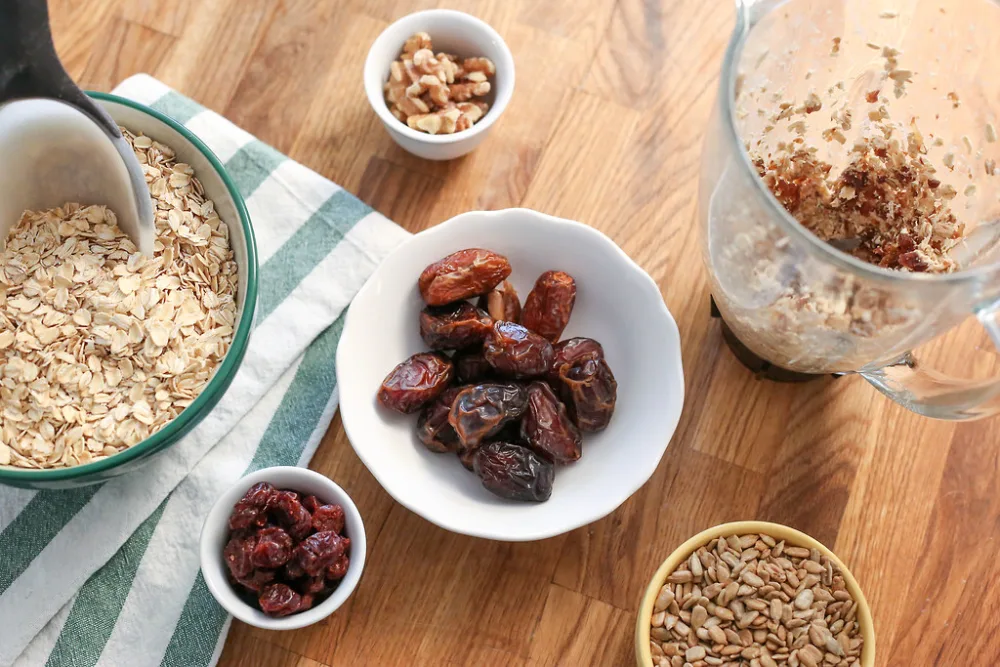
- Energy balls: blend dates with oats and nuts, roll into small balls for the lunchbox.
- Dates + milk before school: 1–2 dates with a glass of milk give morning energy.
Swapping ultra-processed snacks for dates helps cut added sugar while adding fiber and minerals. Keep watching dental health: have children rinse or brush after sticky-sweet snacks. For active, sporty children, dates are a quick energy source before play or training. Serve them as part of a varied diet, not a replacement for main meals, and vary with other fruit so children get used to a range of tastes and textures.
Date Portions by Condition
For easy reference, here is the portion guide we apply consistently across all Kurma Afiat guides:
| Condition | Daily portion |
|---|---|
| Healthy adults | 3–7 dates (±100 g) |
| Pregnancy, 3rd trimester | 6 dates (study protocol) |
| Breastfeeding | 3–7 dates |
| Diabetes | 2–3 dates (consult a doctor) |
| Children (by age) | 1–3 dates |
| Dieting | 2–3 dates (count calories) |
Choosing & Storing Dates for Children
Quality and cleanliness matter when dates are for children. A few practical tips:
- Choose dates that are whole, clean, and not overly sugar-crystallized; for first foods, soft varieties blend more easily.
- Wash dates under running water before preparing, especially for babies.
- Store in an airtight container; moist dates like Rotab Bam are best refrigerated, dry dates can stay in a cool room.
- Check for mold, sour smell, or pantry pests before serving; if in doubt, don't give it.
With proper storage, dates stay soft and safe longer. Always remove the pit and match the texture to the child's age before serving.
This article is educational and not a substitute for pediatric advice.