Dates & Fiber: A Digestion Ally
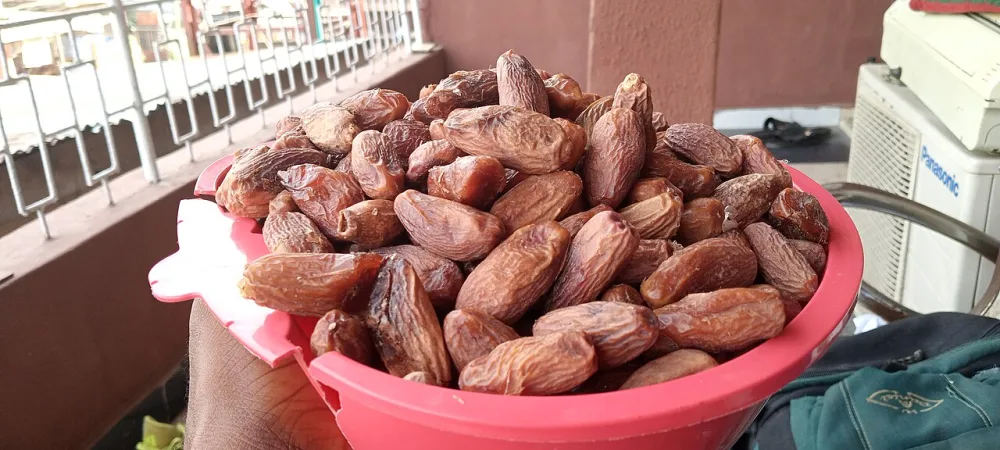
Dates are a good fiber source, about 6.7–8 g per 100 g depending on variety. The fiber includes insoluble fiber that adds stool bulk and eases bowel movement, plus soluble fiber that feeds good bacteria. This combination makes dates a classic snack for keeping bowel regularity. See per-variety fiber figures in our Dates Nutrition & Calories guide.
Evidence for Constipation & Gut Health
One of the most-cited studies was led by Noura Eid at the University of Reading (2015) and published in the British Journal of Nutrition. It found that adding dates to the daily diet was associated with improved bowel-movement frequency, increased growth of beneficial bifidobacteria, and reductions in fecal ammonia and a genotoxicity marker (used as an indicator of colon health risk). In short, dates are not just a laxative — they "feed" the gut microbiota, a prebiotic effect.
Practical Ways to Ease Constipation
- Eat 2–3 dates in the morning on an empty stomach, then drink enough water.
- Water is essential: fiber works best when the body is hydrated. Without enough fluid, fiber can actually worsen constipation.
- Soak dates into nabeez water for a gentler effect — we cover the recipe in our nabeez guide.
- For family fiber needs, value varieties like Sayer dates are practical for daily use.
Dates & Acid Reflux: An Honest Review
Many articles say dates "neutralize stomach acid" due to their alkaline nature and fiber. In truth, the fiber and mineral content can help some people with mild gastritis symptoms, and the antioxidants help fight inflammation in the stomach lining. But the alkalinity claim should be treated cautiously: responses vary, and in some people large portions of sweet dates actually trigger discomfort.
Safe Guidance for Reflux Sufferers
- Start with a small portion, 1–3 dates, and observe your body's response.
- Avoid eating large amounts of dates on a completely empty stomach if you are prone to heartburn.
- While fasting, GERD can flare — eat dates moderately at break-fast, not a large amount at once, and start with water.
- If symptoms worsen after dates, stop and note the trigger.
What About Diarrhea?
Unlike constipation, during diarrhea it is better to reduce dates temporarily because their natural sugar can draw water into the gut and worsen symptoms in some people. Once digestion returns to normal, dates can be resumed gradually.
Side Effects: Bloating & Natural Sugar
Being rich in fiber and natural sugar (including fructose), excess dates can cause bloating, especially for those sensitive to FODMAPs. The fix is simple: keep portions modest, increase intake gradually, and balance with water. Chewing slowly also helps reduce swallowed air.
Daily Tips for Healthy Digestion
- Pair dates with other fiber sources like oats, vegetables, and watery fruit.
- Keep a regular eating routine and don't delay bowel movements.
- Stay active; physical activity aids gut motility.
- Drink water throughout the day, not only with dates.
When to See a Doctor
Constipation or stomach issues usually improve with diet and hydration. But see a doctor if you have: severe abdominal pain, bloody stools, unexplained weight loss, difficulty swallowing, or gastritis symptoms that don't improve despite better eating. Dates support a healthy diet — they are not a treatment for serious digestive problems.
Simple Recipes for Smooth Digestion
A few practical ways to serve dates to support the gut:
- Morning soaked dates: soak 3 dates overnight, eat them with the water on waking for a gentle effect.
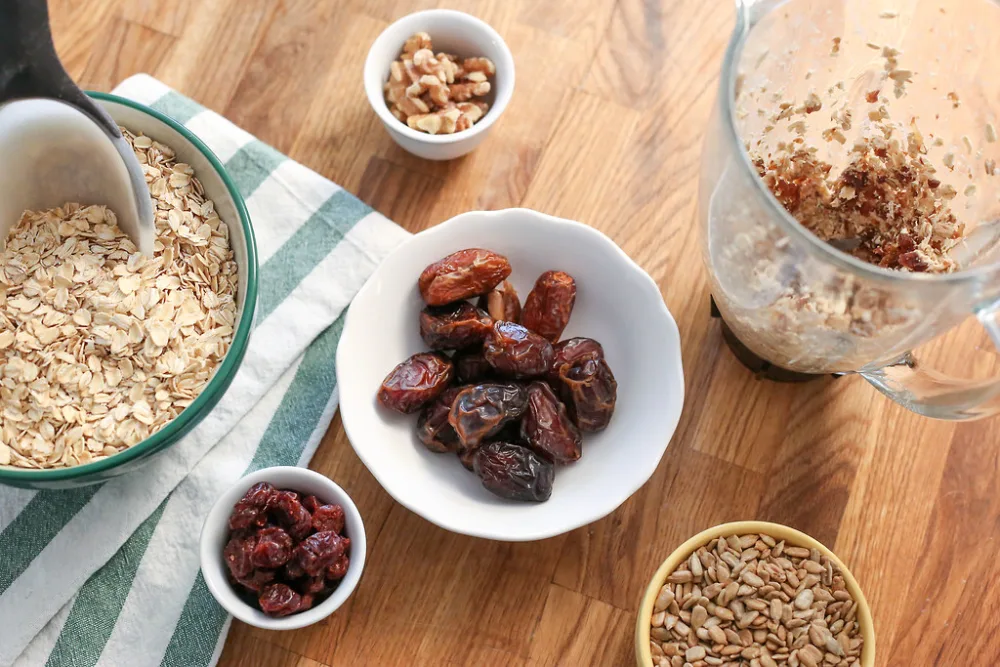
- Oat-date-chia: mix oats, chopped dates, and soluble-fiber-rich chia seeds; rest overnight in the fridge.
- Green smoothie: blend spinach, banana, 2 dates, and water — fiber plus micronutrients.
- Yogurt-dates: plain yogurt with chopped dates combines probiotics and prebiotics.
The last combo is interesting because yogurt supplies good bacteria (probiotics) while date fiber feeds them (prebiotics) — a mutually supportive pair for gut health.
Building Daily Fiber Intake
Adult fiber needs are about 25–30 g per day, and many people fall short. Dates can contribute part of it, but variety is still needed: vegetables, watery fruit, legumes, and whole grains. Increase fiber gradually and pair with enough water so it doesn't cause bloating. If you have irritable bowel syndrome (IBS) or FODMAP sensitivity, watch your body's response and adjust portions. With a gradual, balanced approach, dates become a delicious way to meet fiber needs without supplements.
Date Portions by Condition
For easy reference, here is the portion guide we apply consistently across all Kurma Afiat guides:
| Condition | Daily portion |
|---|---|
| Healthy adults | 3–7 dates (±100 g) |
| Pregnancy, 3rd trimester | 6 dates (study protocol) |
| Breastfeeding | 3–7 dates |
| Diabetes | 2–3 dates (consult a doctor) |
| Children (by age) | 1–3 dates |
| Dieting | 2–3 dates (count calories) |
Identifying Your Personal Triggers
Everyone's gut is different. What soothes one person can bother another. The best way to learn your body's response is to keep a simple food log for one to two weeks:
- Write down what you ate, how much, and how your stomach felt a few hours later.
- Note whether large portions of dates trigger bloating or instead ease bowel movements.
- Record meal timing; eating too close to bedtime can trigger reflux symptoms.
From this log, you can find the portion and timing most comfortable for your body. This personal approach is far more useful than following generic internet claims. If a symptom pattern persists or worsens despite dietary adjustments, that is the time to consult a doctor for further evaluation.
To close, healthy digestion is the result of enough fiber, hydration, regular movement, and unhurried eating. Dates are one delicious, easy-to-combine fiber source, but they work best as part of those overall habits. Start with a small portion, listen to your body, and increase gradually for comfortable, sustainable results.
This article is educational and not a substitute for medical advice.