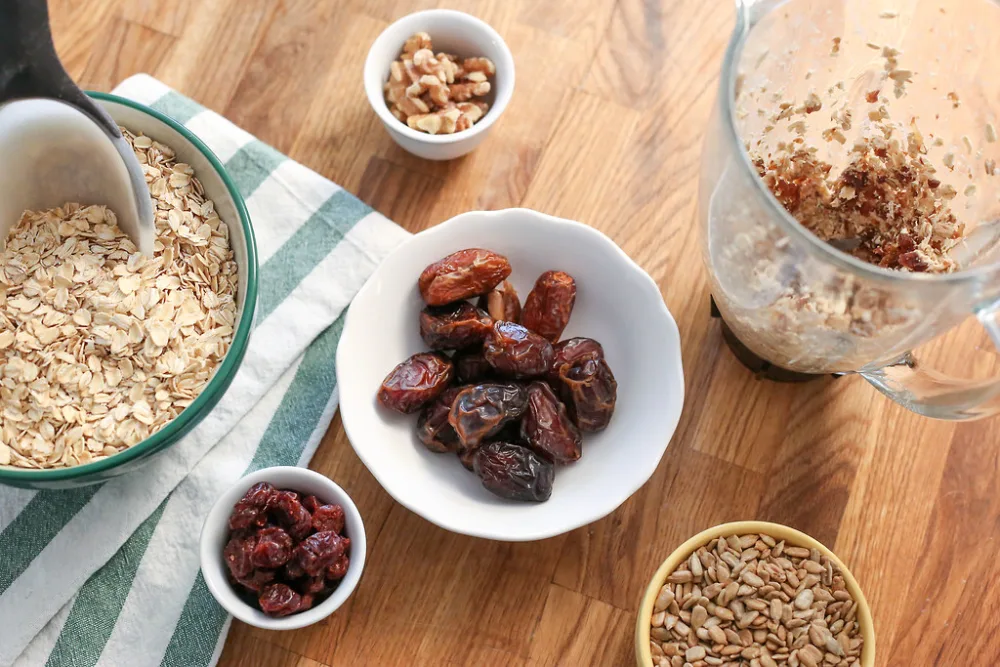
The Short Answer
Can diabetics eat dates? Generally yes, in controlled portions of about 2–3 dates paired with a protein or fiber source. The glycemic index of dates is low-to-medium (43.8–53.0 in diabetics per Alkaabi 2011), and two clinical trials show dates do not worsen blood-sugar control in reasonable portions. But everyone is different — consult your doctor. This is educational, not medical advice.
Why Dates Are Not Always Bad for Blood Sugar
Despite their intense sweetness, the glycemic index of dates is relatively low. Alkaabi et al. (2011) measured five varieties and found a GI of 43.8–53.0 in type-2 diabetics — all below the 55 low threshold. Their fiber helps slow sugar absorption, so blood-sugar rises are gentler than pure table sugar.
| Subjects | Glycemic Index |
|---|---|
| Healthy adults (n=13) | 46.3–55.1 |
| Type-2 diabetics (n=10) | 43.8–53.0 |
Two Clinical Studies You Should Know
That dates are safe in controlled portions is not mere opinion:
- 2020 study (n=100): eating 3 dates/day for 16 weeks did not change HbA1c and even improved total cholesterol and quality of life.
- 2022 study (n=79): 60g dates/day for 12 weeks (versus raisins) did not worsen HbA1c, fasting glucose, insulin resistance, or lipid profile.
Both support a conservative guideline: small regular portions beat total prohibition. But neither claims dates cure diabetes.
Practical Rules for Diabetics Eating Dates
- Limit to 2–3 dates per occasion, no more.
- Pair with protein/healthy fat such as nuts or plain yogurt to slow sugar absorption.
- Choose small, dense varieties like Zahedi to make portions easier to control.
- Monitor your own blood sugar to see your individual response.
- Don't add dates on top of your already-planned daily carbohydrates.
When to Be More Careful
If your blood sugar is currently uncontrolled, if you use tightly dosed insulin, or you have complications such as kidney disorders (watch potassium), talk to your doctor or dietitian before adding dates. Signs to consult promptly include blood sugar that frequently spikes after eating dates.
Not Just Glycemic Index: Understand Glycemic Load
The glycemic index (GI) measures how quickly a food raises blood sugar, but it does not account for the amount eaten. This is where glycemic load (GL) matters. GL combines GI with the real portion. Because dates are low-to-medium GI and usually eaten in small portions (2–3 dates), the glycemic load per serving is controlled. This is the scientific reason small portions of dates do not automatically cause a big spike — as long as the amount is managed.
The Role of Fiber and How It Works
The fiber in dates plays a key role. Fiber slows stomach emptying and glucose absorption in the gut, so the blood-sugar rise is more gradual than eating pure sugar. This effect is strengthened when dates are paired with protein or healthy fat. That is why our advice always emphasizes combinations, not dates alone in large amounts.
When You Should See a Doctor
This content is educational. You should consult a doctor or dietitian if: blood sugar is often high despite managing portions, you are newly diagnosed and do not yet know your daily carb limit, you use insulin or medications with hypoglycemia risk, or you have complications such as kidney disorders. Health professionals can help tailor your date portions to your meal and treatment plan personally.
Myth vs Fact on Dates & Diabetes
| Belief | The Fact |
|---|---|
| “Dates are very sweet, so they must spike blood sugar drastically.” | Their glycemic index is actually low-to-medium (43–55). Fiber slows sugar absorption. |
| “Diabetics must avoid dates entirely.” | Clinical studies show 2–3/day are safe without worsening HbA1c. |
| “Dates can cure or treat diabetes.” | No such evidence exists. Dates are not a medicine. |
| “All date types have the same effect.” | Size and portion matter; small varieties like Zahedi ease control. |
Examples of Safer Ways to Serve
How you serve matters as much as how much. Here are practical examples to gentle the blood-sugar response:
- Dates + almonds: the nuts' fat and protein slow sugar absorption.
- Dates + plain yogurt: a filling protein combo for an afternoon snack.
- Dates after a fiber-rich meal: not on a truly empty stomach, for a gentler rise.
Avoid eating many dates at once on an empty stomach, especially without protein or fiber. And remember, the numbers on your personal glucometer are the best guide to understanding your own body's response.
Practical Summary for Diabetics
For easy recall, here is the essence of date-eating rules for diabetics:
- Portion: at most 2–3 dates per occasion, counted within daily carbohydrates.
- Combination: always pair with protein, healthy fat, or fiber.
- Choice: small, dense varieties like Zahedi ease portion control.
- Monitoring: check your personal blood-sugar response with a glucometer.
- Professional: discuss your meal plan with a doctor or dietitian.
With these five principles, dates can be enjoyed responsibly without excessive worry, as long as they stay within the diabetes-management plan recommended by health professionals.
Conclusion
Dates are not the enemy for diabetics when eaten wisely: 2–3 dates, paired with protein, with monitoring and doctor consultation. For easy portion control, the small, dense Zahedi variety can be a good choice. Need portion advice? Free nutrition consultation via WhatsApp +62 823-4350-8579, delivery across Jabodetabek. Note: this page is educational and not a substitute for medical advice. For specific health conditions, please consult a doctor or dietitian.