There's No Single Answer: It Depends on Your Need
The question of the healthiest type of dates is often answered with one name, but the honest answer is: it depends on your need. For antioxidants, Ajwa leads; for energy and fiber per date, Medjool wins; for portion control, Zahedi is most practical. Let's compare honestly with data, not just taste.
Ajwa vs Medjool vs Sukari Comparison
These three are the most compared. Here is the summary by data and character:
| Aspect | Ajwa | Medjool | Sukari |
|---|---|---|---|
| Texture | Firm, chewy | Large, soft, fleshy | Soft, slightly crisp |
| Sweetness | Gentle, not sharp | Intense, caramel | Very sweet, caramel |
| Strength | Phenolics ~450–500 mg GAE/100g | Fiber 6.7g/100g; ~1.6g/date | Fast energy, nausea-friendly |
| Best for | 7-dates routine, antioxidants | Energy, pre-workout, sugar substitute | Suhoor/iftar, nauseous pregnancy |
The common consensus — Ajwa highest in antioxidants, Medjool rich in fiber per date, Sukari sweetest — broadly aligns with the data, as long as it isn't overstated. None absolutely "beats" the others; they serve different needs.
6-Variety Matrix: Which for Which Need
| Variety | Character | Best for |
|---|---|---|
| Ajwa | Dark, chewy, high phenolics | Antioxidants, morning routine |
| Medjool | Jumbo, energy-dense, high fiber/date | Energy, diet sugar substitute, postpartum |
| Sukari | Soft, caramel-sweet | Suhoor/iftar, nauseous pregnancy |
| Zahedi | Small, dense, lightly sweet | Portion control, dieting, diabetes-friendly |
| Rotab Bam | Very soft, fresh | Weaning, elderly, third-trimester |
| Sayer | Semi-dry, economical | Daily nabeez, large-family fiber |
How to Choose by Goal
- Want the highest antioxidants? Choose Ajwa (phenolics ~450–500 mg GAE/100g).
- Need dense energy & fiber per date? Choose Medjool.
- Dieting or managing blood sugar? Choose small, dense Zahedi for portion control.
- Third-trimester pregnancy or weaning? Choose soft Rotab Bam.
- Need value for nabeez & family fiber? Choose Sayer.
- Suhoor/iftar energy & pregnancy nausea? Choose Sukari.
How We Honestly Judge ‘Healthy’
The phrase ‘healthiest’ is easily abused for marketing. So we judge by measurable parameters, not mere claims: fiber and mineral content (from USDA data), antioxidant/phenolic profile (from laboratory studies), glycemic index (from Alkaabi's research), and texture suitability for specific needs. We are also honest about data limitations — for example, not all varieties have nutrition data as complete as Medjool. This transparency matters so you can judge for yourself, not just trust a label.
Common Mistakes When Choosing Dates
- Looking only at price: the most expensive is not necessarily the best for your need.
- Fixating on one viral claim: e.g., buying a variety just for one antioxidant claim when your need is portion control.
- Ignoring portion: even the healthiest variety harms if overeaten.
- Wrong texture for special needs: giving hard dates to a baby or elderly person when a soft texture is safer.
Avoiding these mistakes makes your choice far more on-target, which is the purpose of this whole comparison.
In Depth: Ajwa, Medjool, and Sukari
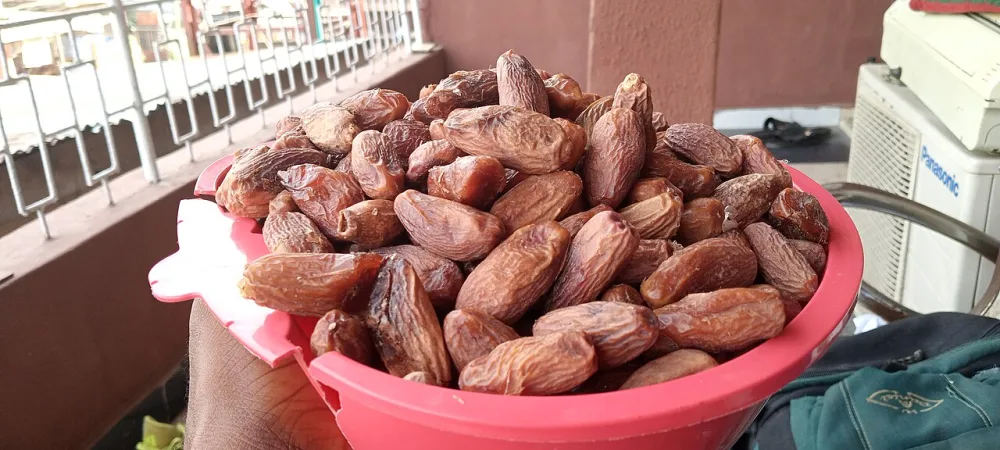
Ajwa stands out for its high phenolic profile (~450–500 mg GAE/100g), making it the antioxidant champion among commercial varieties. Its taste is gently sweet, not as sharp as others, suiting routine daily consumption. This is the variety with the strongest tradition link via the seven-dates morning routine.
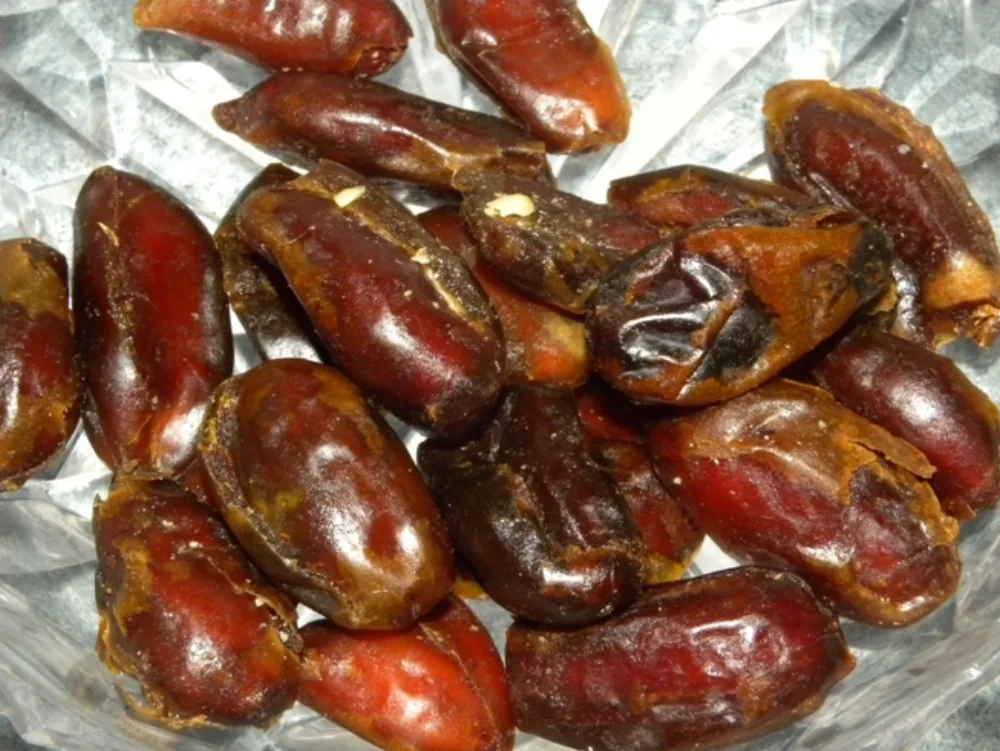
Medjool is the king of size. With 6.7g fiber/100g and about 1.6g fiber per large date, plus 696mg potassium per 100g, Medjool leads as a dense energy and fiber source. This is the pick for pre-workout, recovery, and sugar-substitute paste.
Sukari is the queen of softness. Its soft texture with family-loved caramel sweetness makes it a fasting-break favorite and a friendly option for nauseous pregnant mothers. All three are healthy — what differs is their specific strength.
Factors Beyond Variety That Define ‘Healthy’
Choosing a variety is only half the story. Other factors matter just as much:
- Portion: even the healthiest date is not ideal if overeaten. Follow the per-condition dosage table.
- How you eat them: pairing with protein/fiber gentles the blood-sugar response.
- Individual condition: a diabetic's needs differ from an athlete's or a pregnant woman's.
- Freshness & storage: well-stored dates retain nutrition and flavor.
In other words, the ‘healthiest date’ is a combination of the right variety, a wise portion, and a way of eating that fits your condition.
Quick-Pick Summary by Need
If you need a fast answer, use this short guide as a starting point before reading the details above:
- Maximum antioxidants: Ajwa.
- Energy & fiber per date: Medjool.
- Breaking the fast & pregnancy nausea: Sukari.
- Dieting & portion control: Zahedi.
- Weaning, elderly, third-trimester: Rotab Bam.
- Value for nabeez & family fiber: Sayer.
Remember, this is a starting point, not a rigid rule. Everyone's needs can overlap — a pregnant woman also managing blood sugar, for instance, might combine Rotab Bam with portion-control principles. This flexibility is what makes per-variety understanding far more useful than just looking for one ‘winner’.
The Honest Verdict
There is no single "best date" for everyone. There is the date best suited to your specific need. That is the Kurma Afiat philosophy: per-variety data that guides the right choice. Note: this page is educational and not a substitute for medical advice. For specific health conditions, please consult a doctor or dietitian.
Unsure which to pick? Tell us your need via WhatsApp +62 823-4350-8579 for a variety recommendation, with delivery across Jabodetabek: Jakarta, Depok, Tangerang, Bekasi, and Bogor.